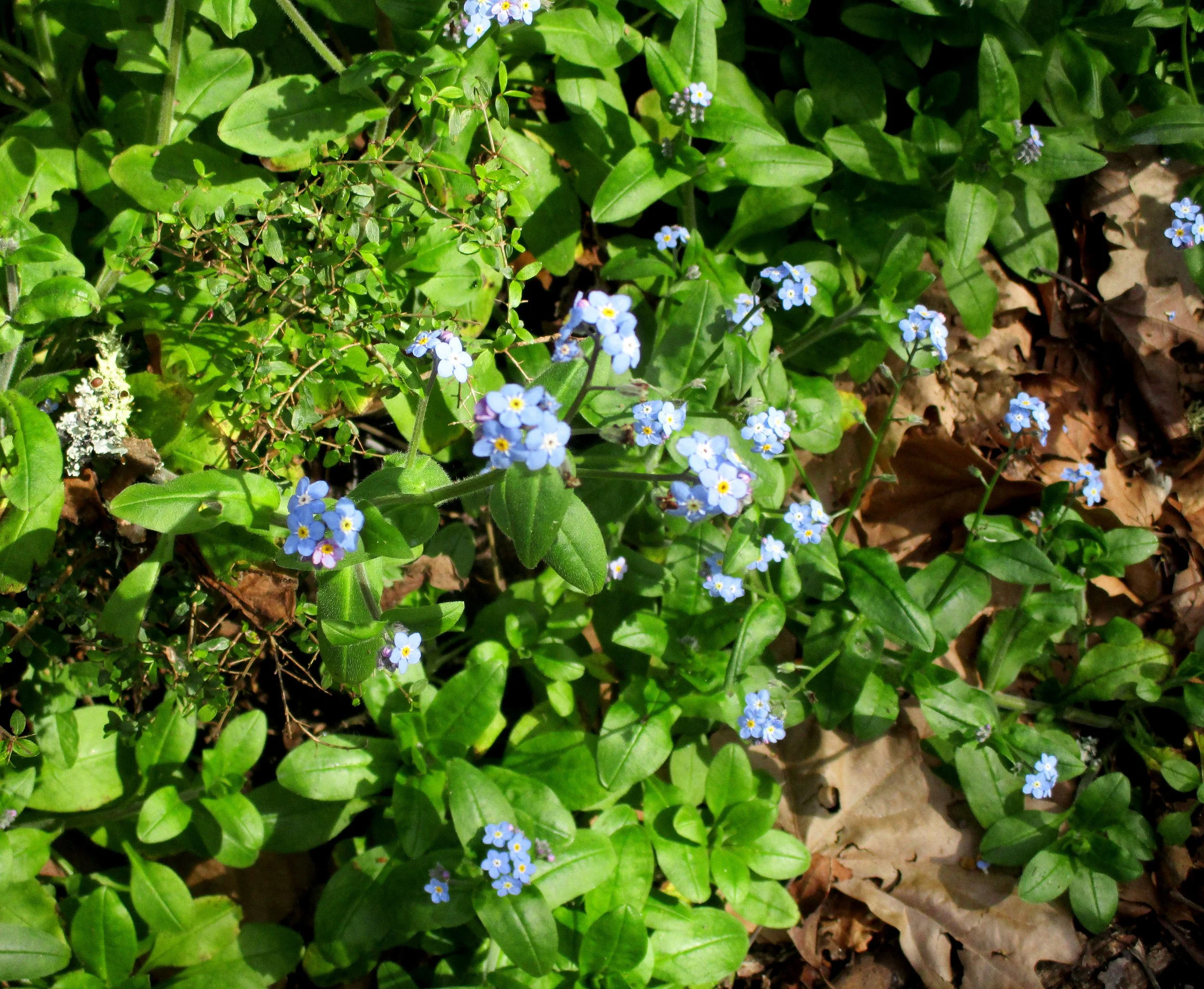
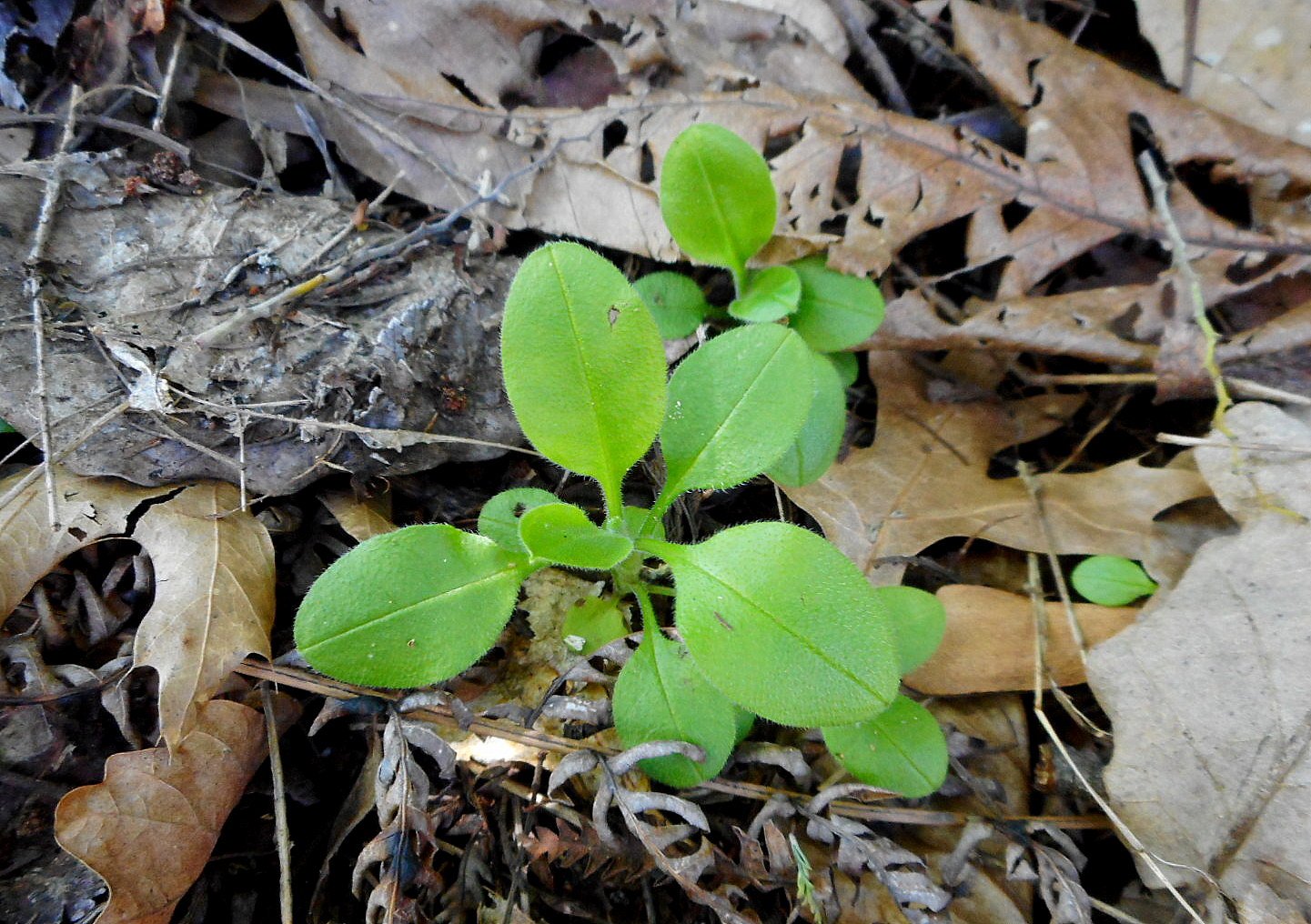
Forget-Me-Not (Myosotis arvensis)
This pretty flowering weed is very invasive, easily spread by its seeds attaching to anyone, or any animal that brushes the seedheads in passing. They grip well and can be quite difficult to remove all the dried brown seeds that have attached themselves to clothing.
It is an easy plant to pull out of the ground, not requiring any tools to dig it out, and the park has many of its tracks lined with these pesky plants.
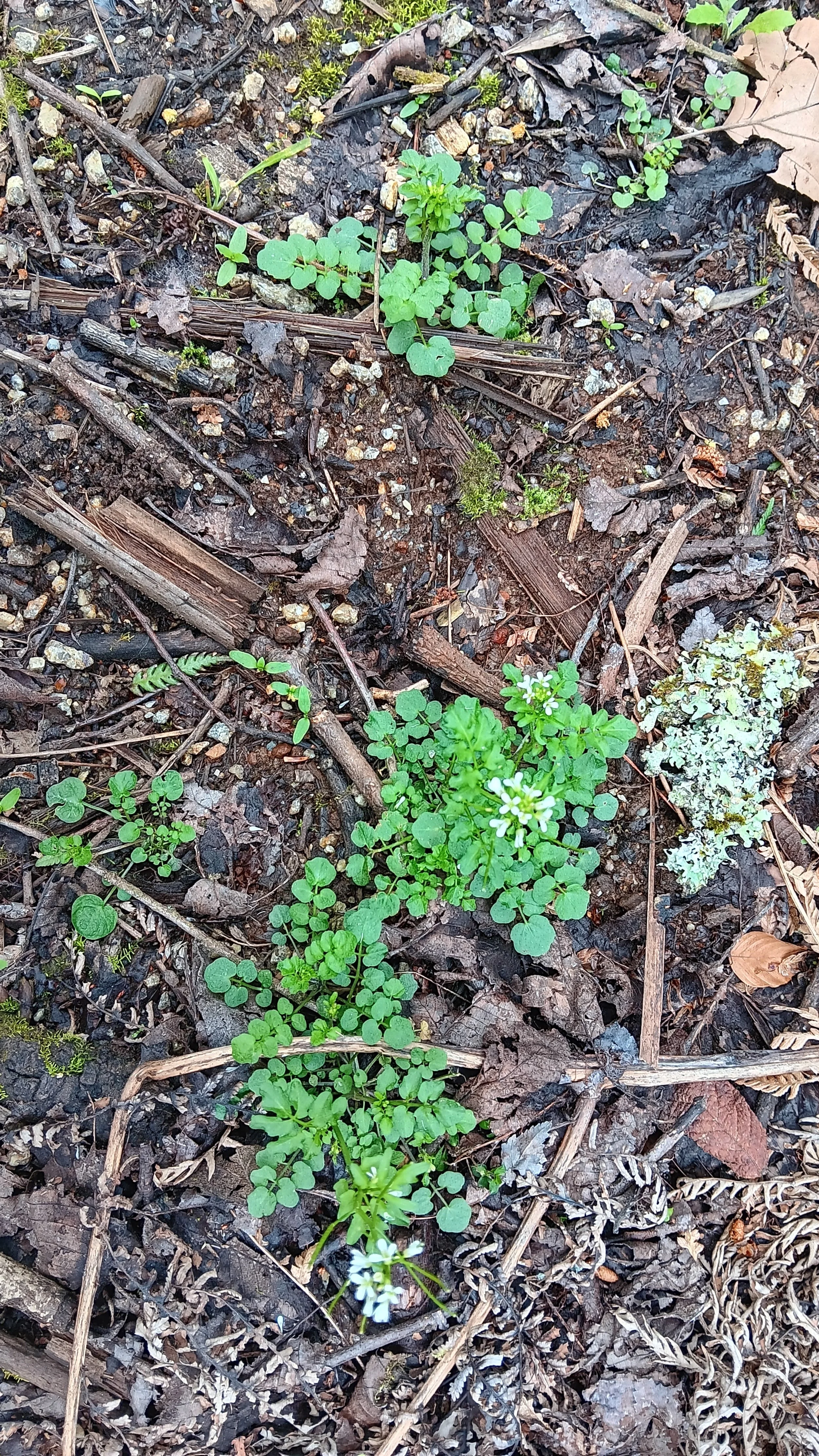
Flickweed (Cardamine hirsuta)
This plant propagates itself by flicking the ripe seeds when the plant is touched.
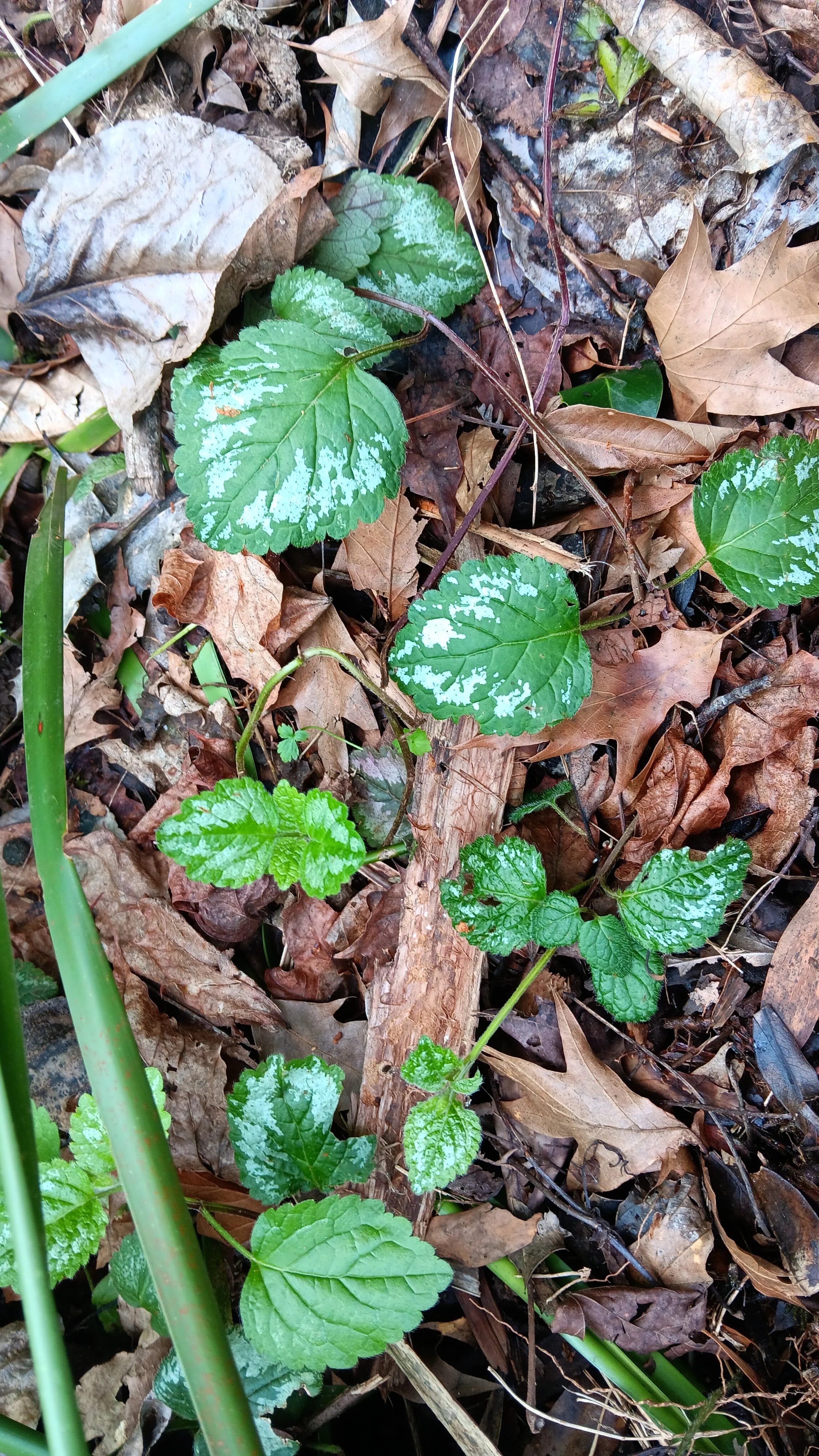
Aluminium Plant (Lamium argentatum)
Also known as Dead Nettle, this plant is populating an area close to Wattle Creek off Wishing Well Track.
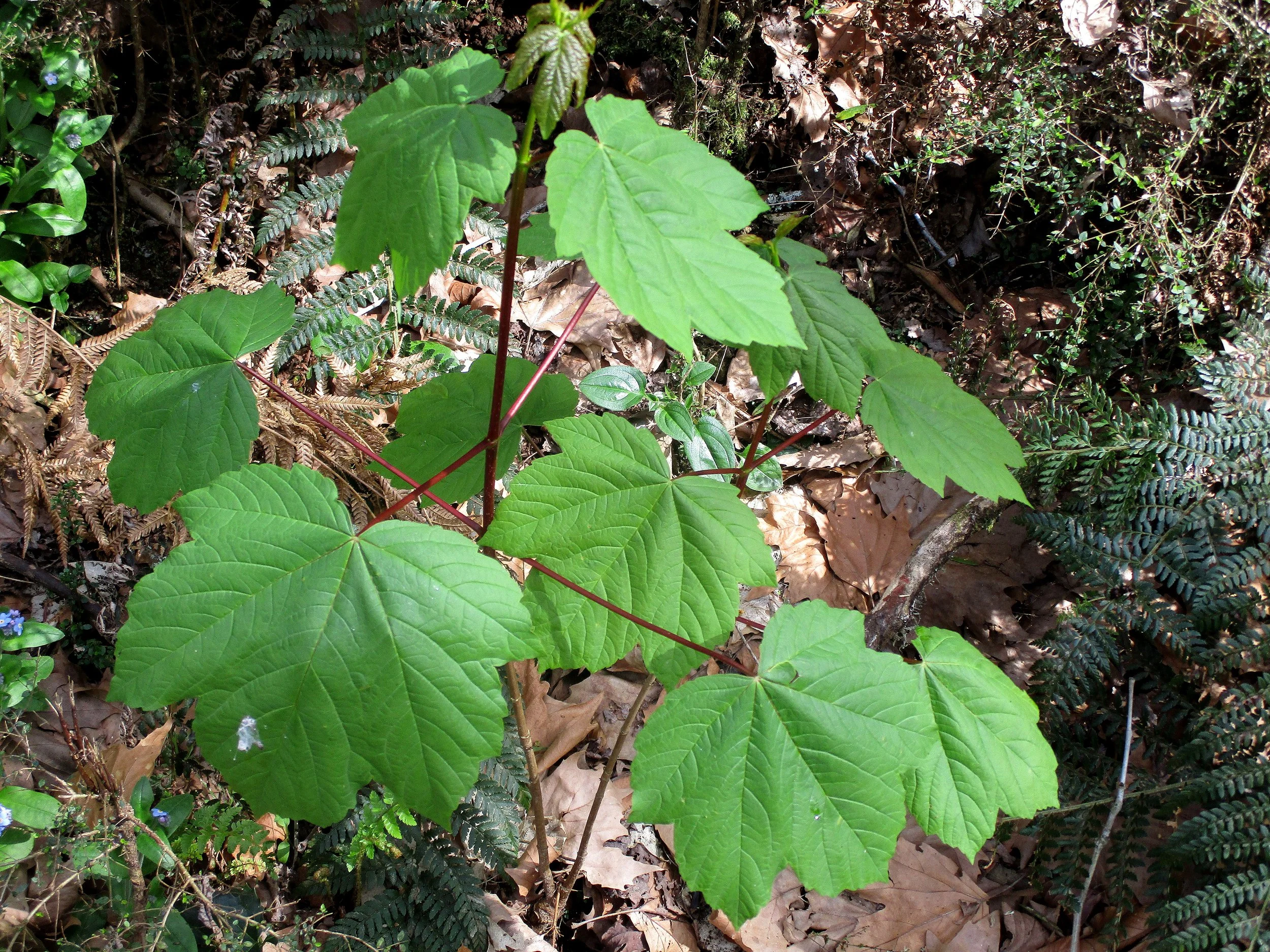
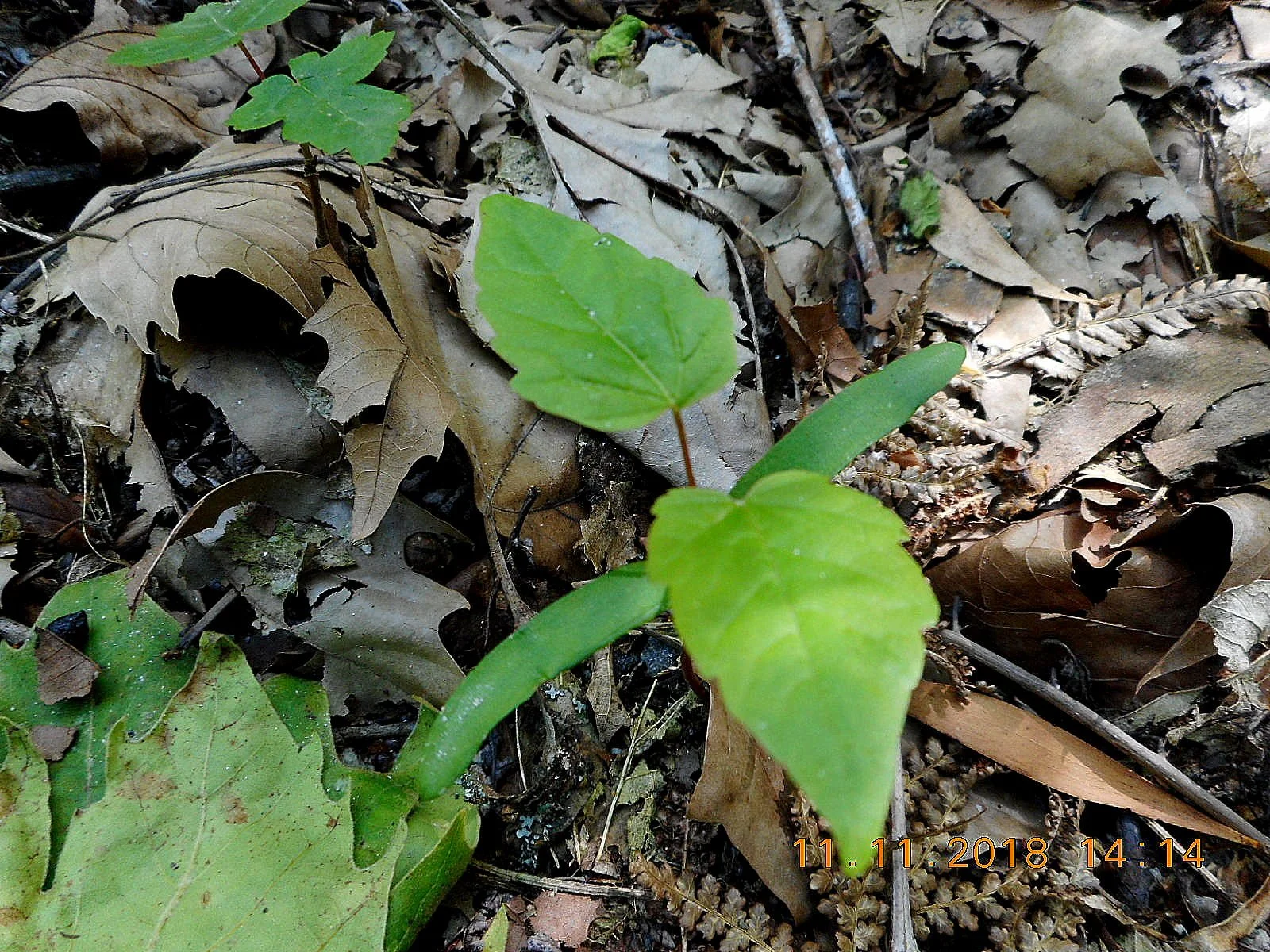
Sycamore Maple (Acer pseudoplatanus)
This deciduous tree spreads its seed in propellor-type capsules. Consequently it is prolific in the park, making it an ongoing task for our group to keep up with. The mature trees are managed with the help of contractors paid for by grants that the Friends have applied for over the years.
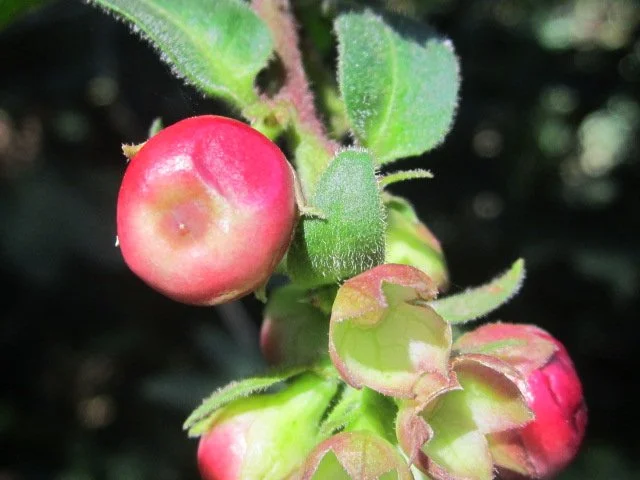
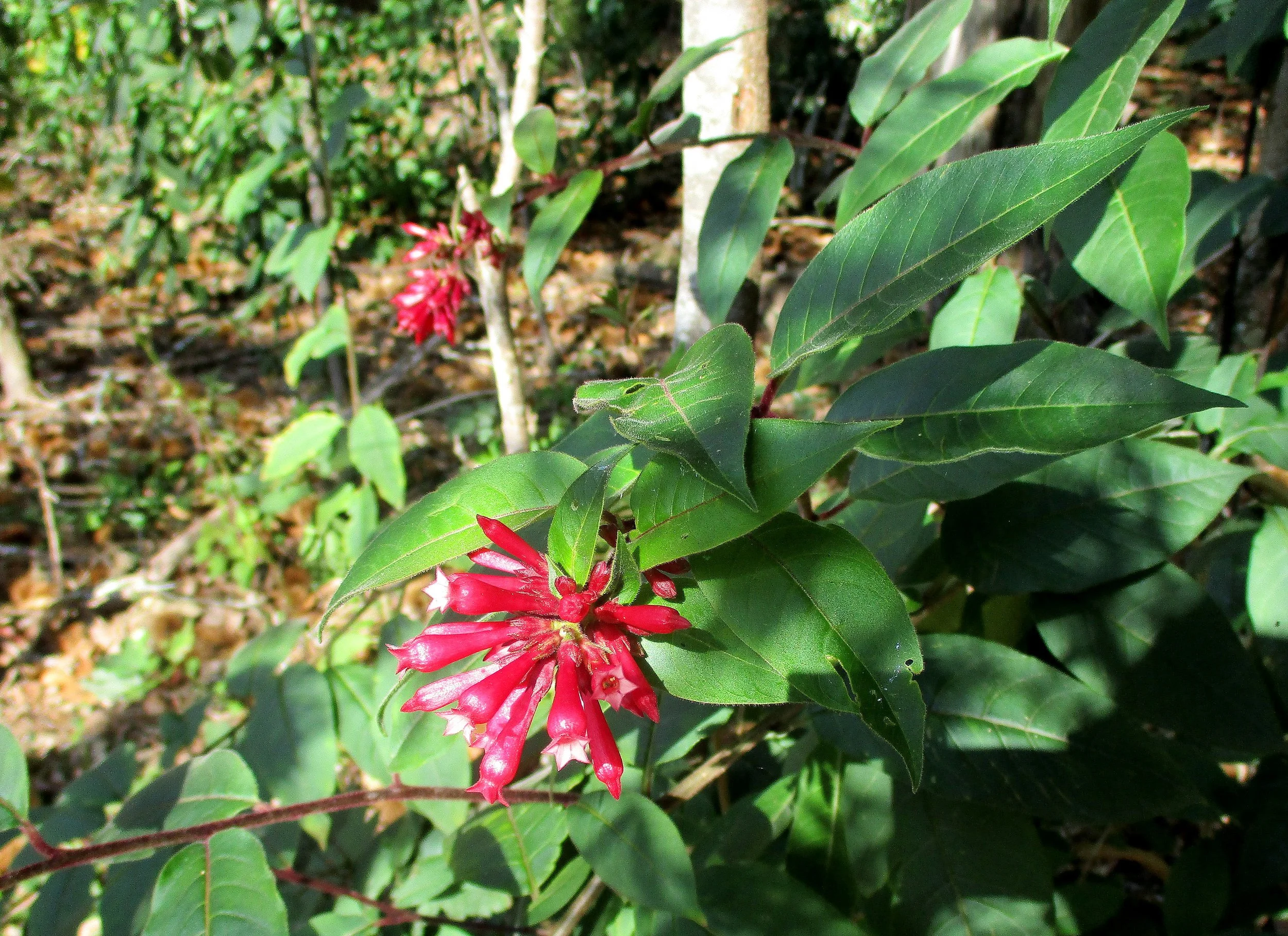
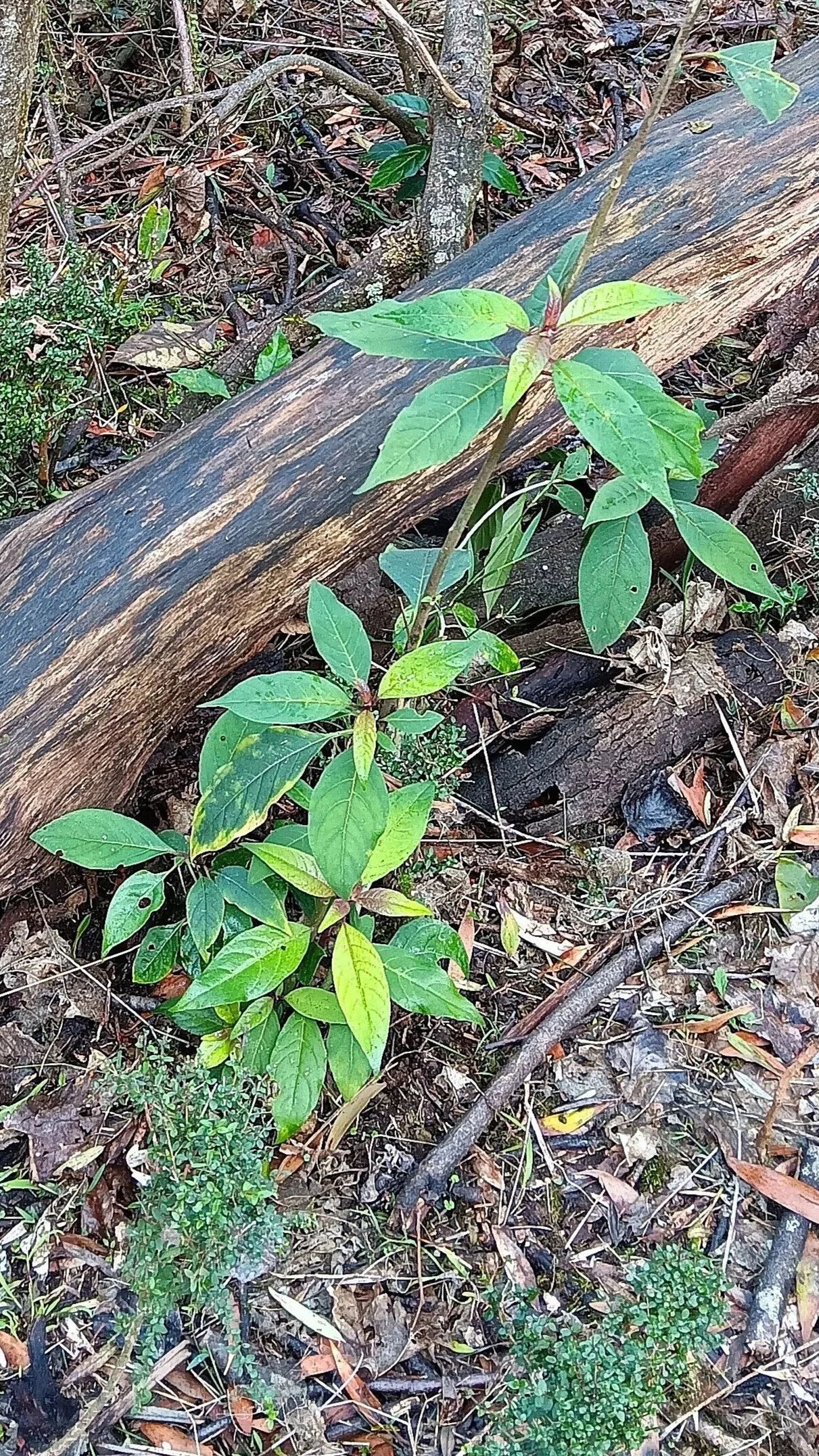
Cestrum (Cestrum elegans)
The fruit of Cestrum is spread mainly by birds, making it another prolific invader in our bushland areas. It is currently flowering in winter, so can be easily spotted in the bushland areas.

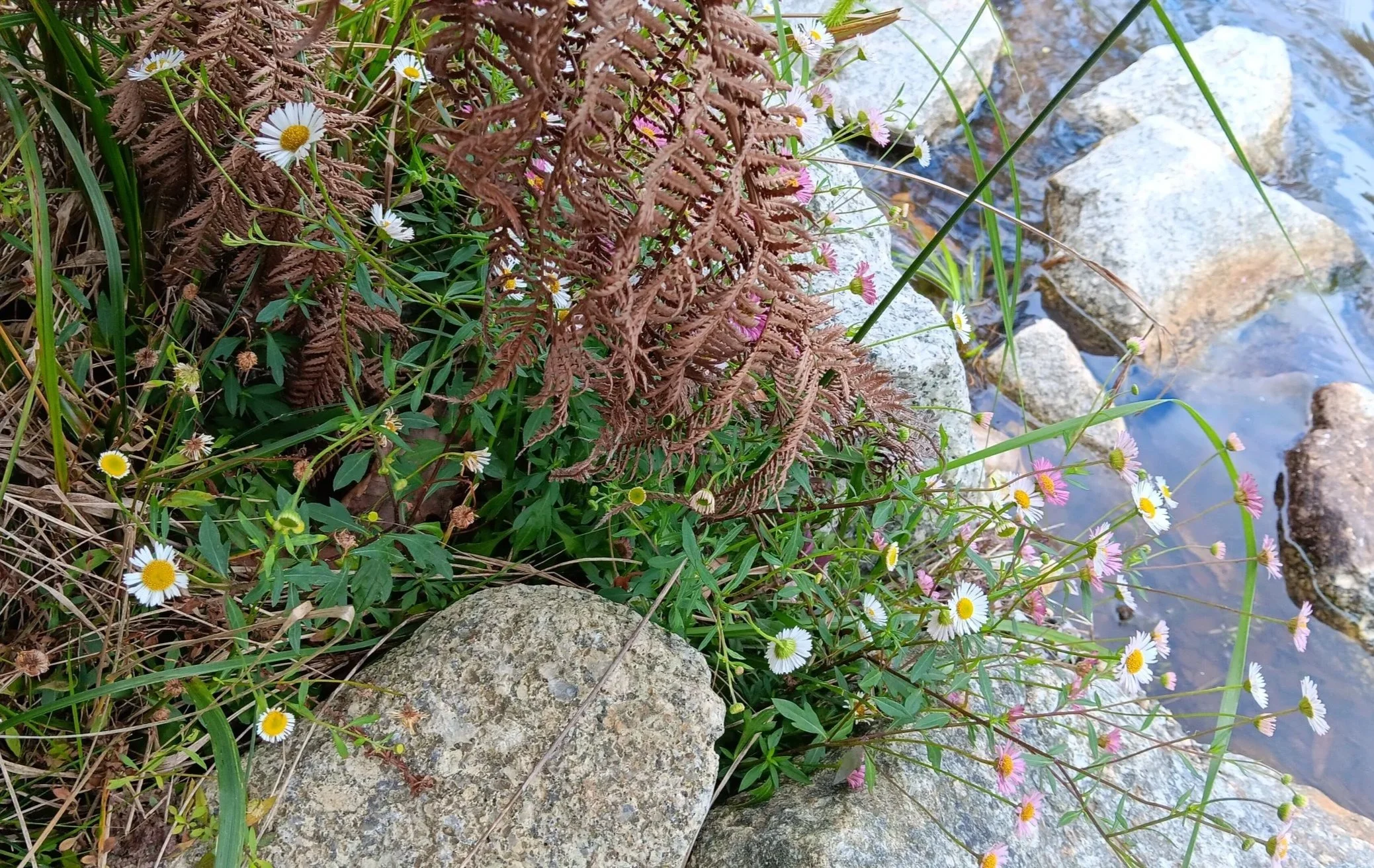
Seaside Daisy (Erigeron karvinskianus)
A garden favourite, but invasive, this plant is populating the edge of the lake in some places.
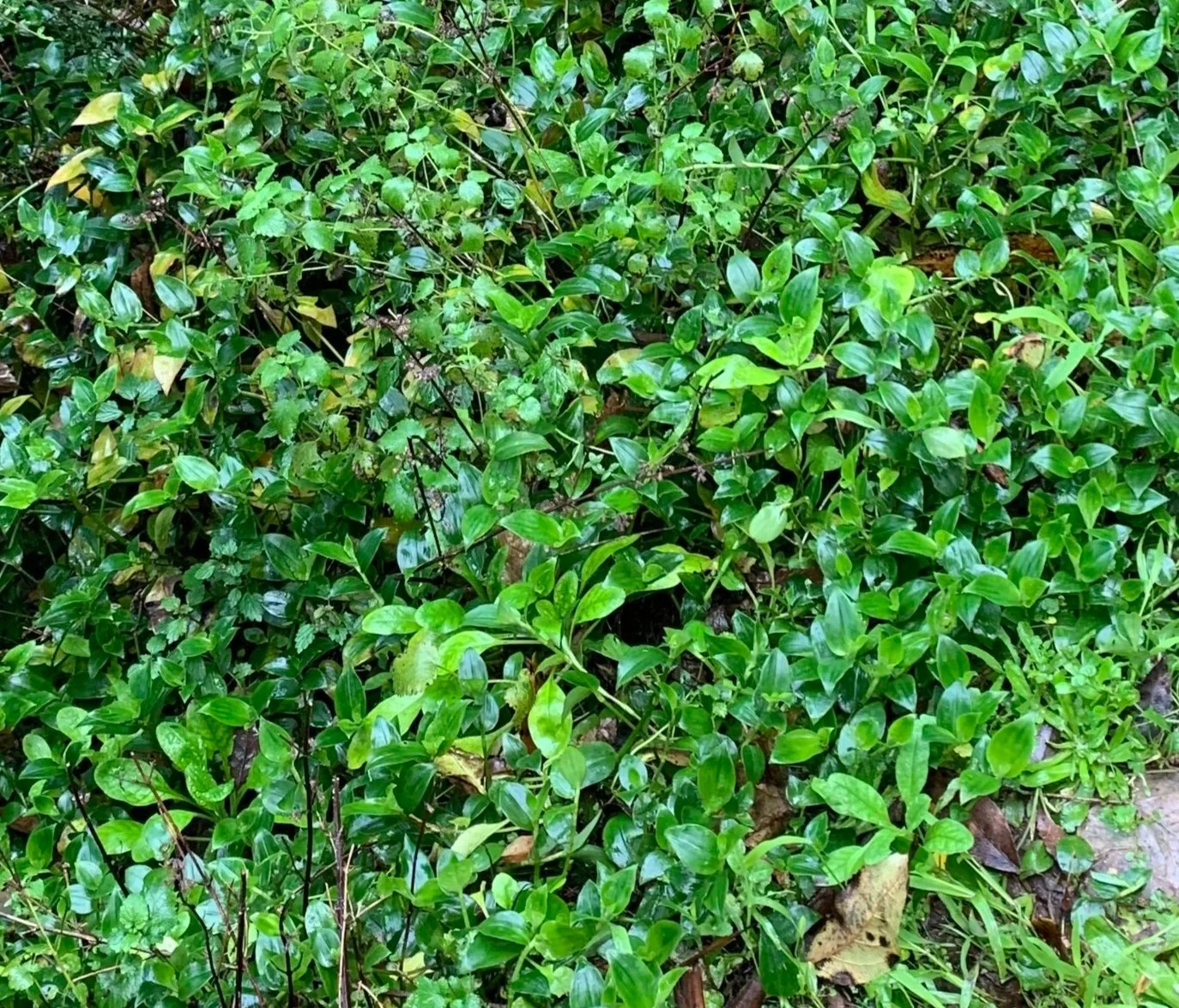
Wandering Trad (Tradescantia fluminensis)
It has thick, succulent, glossy stems and leaves, and small white flowers (summer). Wandering Trad forms a smothering carpet across the ground, and invades damp, wet and shaded areas. It is widespread along creeks and waterways.
This plant spreads rapidly along the ground. Each leaf node along a stem is able to root and form a new plant. Stems are able to survive for up to one year without contact.
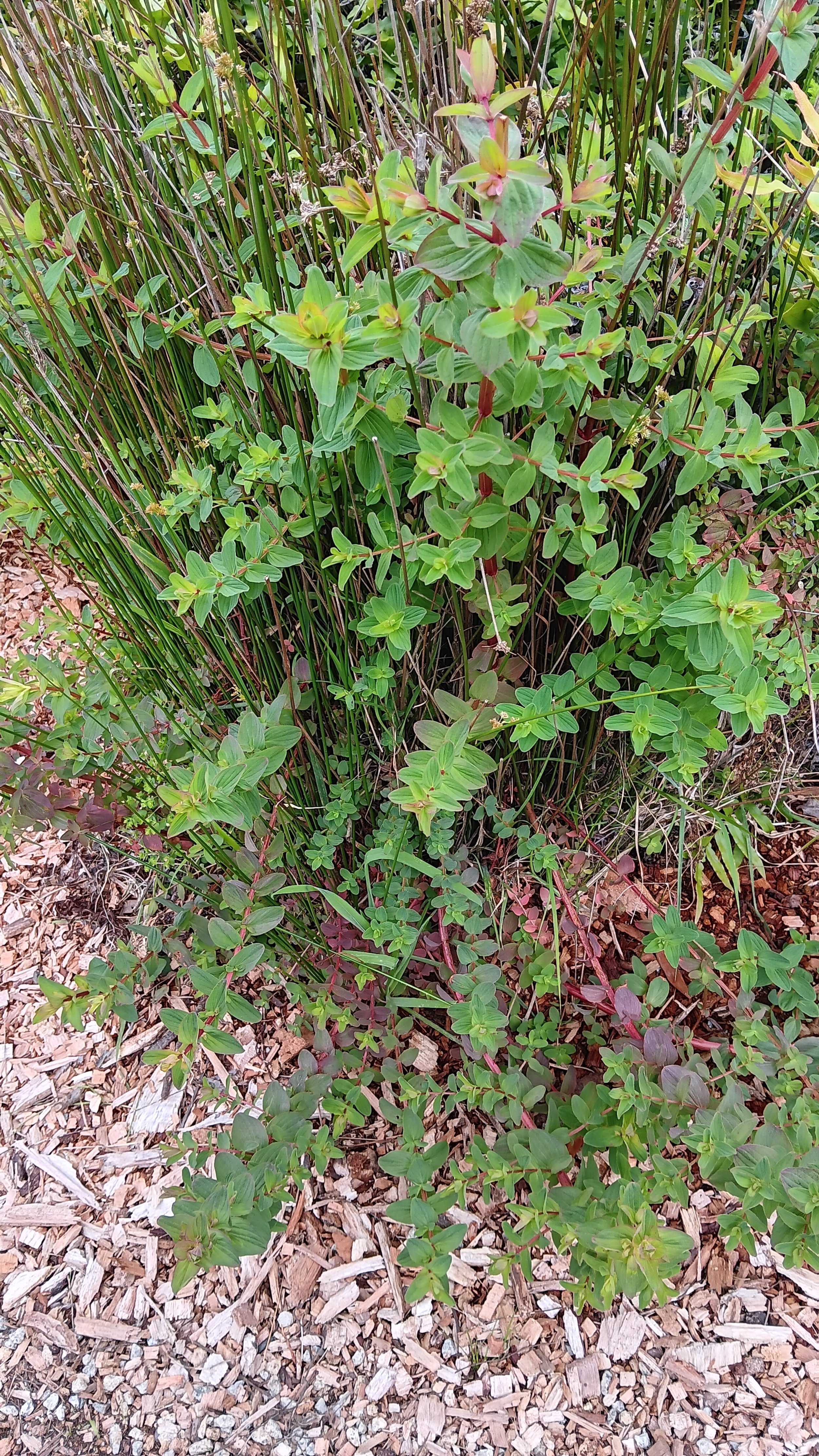
St Peter’s Wort (Hypericum tetrapterum)
This plant is growing amongst the sedges and poas (native grasses) along the edge of the lake.
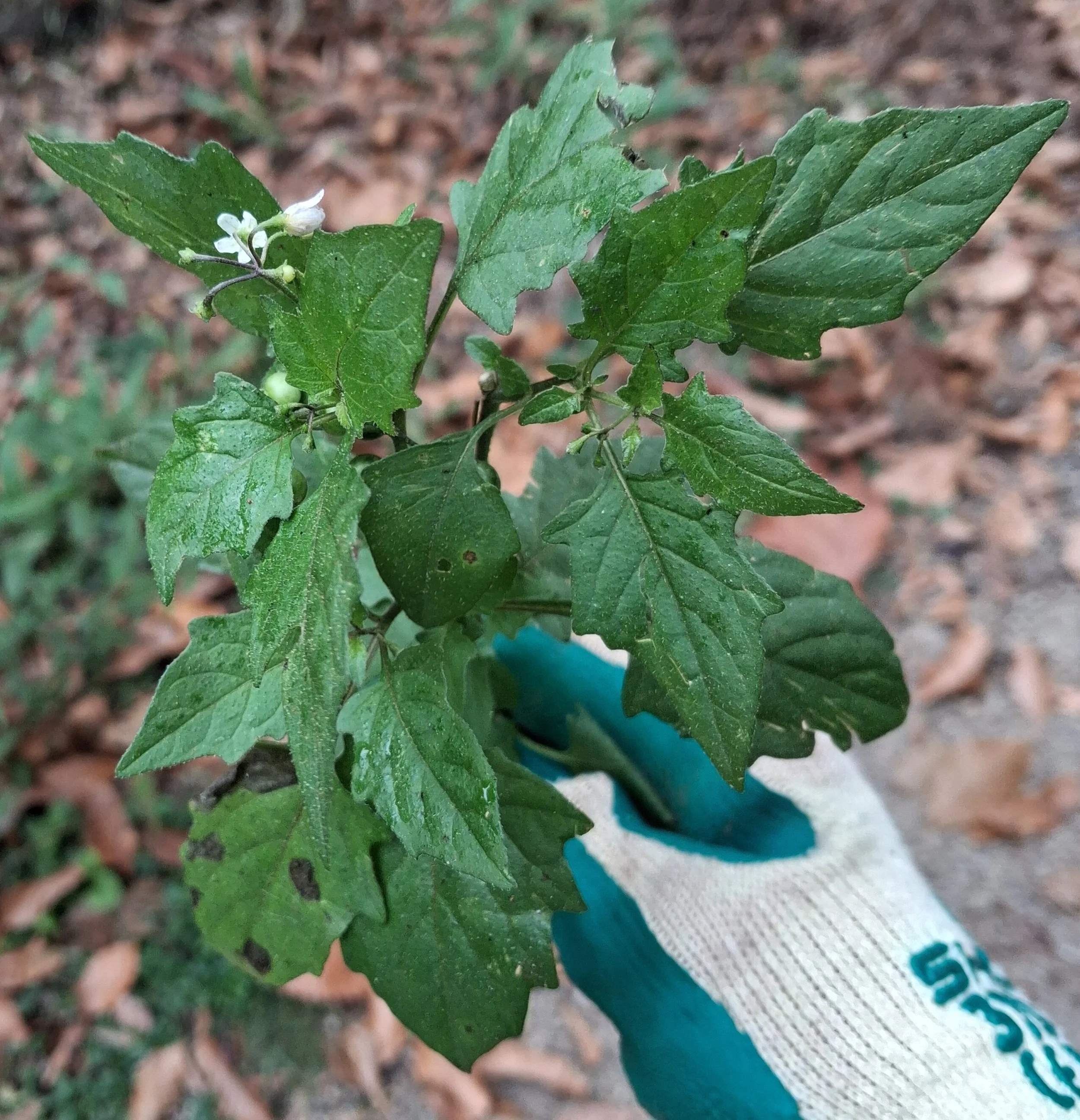
Deadly Nightshade (Atropa bella-donna)
This leaves and berries of this plant are toxic to eat, and can be harmful if touched. When they are young, as in this example, they are easy to pull out.